

Services...How Can I Help?
Copyediting
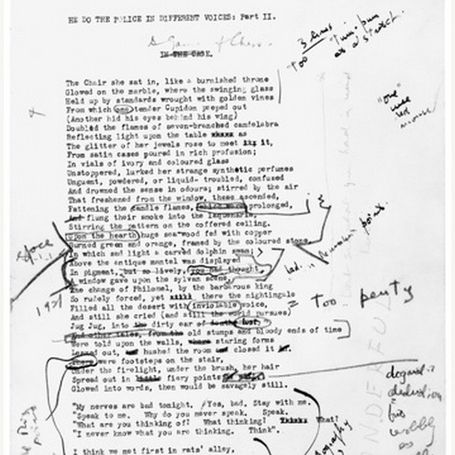
Copyediting is one step in the iterative process of turning a piece of writing—an article, book manuscript, white paper, report, proposal, blog post, or what have you—into a published product. Copyediting focuses on the “nitty-gritty” aspects of your writing, and for that reason, it is thorough, detailed, and precise.
Typically, copyediting looks at the following aspects of a piece of writing:
- Mechanics such as spelling, punctuation, capitalization, and hyphenation
- Grammar and usage
- Consistent treatment of elements such as tables and figures, illustrations, headings, abbreviations, numbers, and typeface
- Correct styling and consistency of footnotes, endnotes, bibliographies, and reference lists
- Accuracy of names of people and organizations, places, dates, and other information
- Clarity and flow of sentences and paragraphs
- Conciseness and economy of language
- Tone and register (e.g., formal, informal, conversational)
You probably have your own questions and concerns as well: Is my writing too wordy—how can I make it more concise? Am I using this word correctly? Is there a better way to say this? I’ve looked at this manuscript too long, will it make sense to the reader? Where the heck do I put the commas? What do I do with a semicolon?
I can help you with all of these questions.
Proofreading
You might think the terms “copyediting” and “proofreading” are interchangeable. In fact, proofreading is a distinct step in the production process, and it happens after the copyeditor has done their work. Proofreading focuses on the final version of a text, whether it will be printed or published online, to make sure it is error-free. For a printed publication, the proofreader will focus on the typeset page proofs.
Proofreading encompasses the following tasks:
- Checking for errors that might have been missed or introduced during the copyediting stage (we’re all human!)
- Hunting for typos
- Ensuring that elements such as pagination, headings, and fonts are correct and consistent
- Checking for typographical bloopers such as bad line breaks, line spacing, widows and orphans
- Making sure that tables, figures, and illustrations are correctly labeled and match the text
It might sound as if proofreading is easier than copyediting, but really, it’s a completely different job. It’s just as important—and just as rigorous—as copyediting.